
"19th century coffee trade"
90 article(s) found

Poetic prodigy Lambo Qiwen went to Egypt to do coffee business
Ethiopia is dominated by wild coffee forests. If you want to chew coffee fruit or drink coffee, you can pick it in the forest. Therefore, there is no coffee cultivation industry in ancient Ethiopia. Yemen had a large-scale coffee cultivation industry and coffee trade with Europe as early as the 15th and 16th centuries, and Ethiopia had no record of coffee trade until the 19th century. In 1838, Ethiopia passed through the Red Sea port.

The god of poetry, Tong Lanbo, abandoned his articles and went to Egypt to do coffee business, coffee culture.
Ethiopia is mainly a wild coffee forest, want to chew coffee fruit or drink coffee, go into the forest to pick, so there was no coffee cultivation in ancient Ethiopia. Yemen had a large-scale coffee cultivation industry and coffee trade with Europe as early as the 15th and 16th centuries, and Ethiopia did not have a record of coffee trade until the 19th century. In 1838, Ethiopia passed through the port of the Red Sea

The god of poetry, Lambo, abandoned the article to do coffee business in Egypt, boutique coffee beans, Ethiopian flavor.
Ethiopia is mainly a wild coffee forest, want to chew coffee fruit or drink coffee, go into the forest to pick, so there was no coffee cultivation in ancient Ethiopia. Yemen had a large-scale coffee cultivation industry and coffee trade with Europe as early as the 15th and 16th centuries, and Ethiopia did not have a record of coffee trade until the 19th century. In 1838, Ethiopia passed through the port of the Red Sea

Roasting coffee beans with technology-modified ruts
Although coffee drinking and growing methods developed dramatically in the seventeenth and eighteenth centuries, progress in roasting was very poor. The most common method of roasting at the time was to follow the Middle Eastern method of simple roasting: placing green coffee beans in an iron pan, then moving to a fire and roasting, stirring until the coffee beans were evenly mixed.
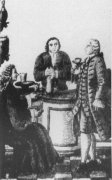
A brief History of Coffee in the World (2)
The first European description of coffee in 1573 was through German doctors staying in Syria. In the second half of the 16th century, the European people who traveled on the east coast of the land gradually spread. The British East India Company was established in 1660 and the East India Company was established in the Netherlands in 1602. The East India Company refers to the trade between Asia and Europe, South Asia and the East in the 17th and 19th centuries.
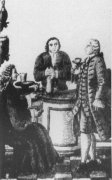
World Coffee-2
The first European description of coffee in 1573 was through German doctors staying in Syria. In the second half of the 16th century, the European people who traveled on the east coast of the land gradually spread. The British East India Company was established in 1660 and the East India Company was established in the Netherlands in 1602. The East India Company refers to the trade between Asia and Europe, South Asia and the East in the 17th and 19th centuries.

Coffee spread-2
The first European description of coffee in 1573 was through German doctors staying in Syria. In the second half of the 16th century, the European people who traveled on the east coast of the land gradually spread. The British East India Company was established in 1660 and the East India Company was established in the Netherlands in 1602. The East India Company refers to the trade between Asia and Europe, South Asia and the East in the 17th and 19th centuries.
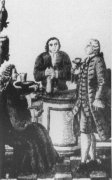
Coffee Culture World Coffee History Development process 2
The first European description of coffee in 1573 was through German doctors staying in Syria. In the second half of the 16th century, the European people who traveled on the east coast of the land gradually spread. The British East India Company was established in 1660 and the East India Company was established in the Netherlands in 1602. The East India Company refers to the trade between Asia and Europe, South Asia and the East in the 17th and 19th centuries.
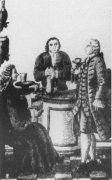
A brief History of World Coffee (2) World History of Fine Coffee
The first European description of coffee in 1573 was through German doctors staying in Syria. In the second half of the 16th century, the European people who traveled on the east coast of the land gradually spread. The British East India Company was established in 1660 and the East India Company was established in the Netherlands in 1602. The East India Company refers to the trade between Asia and Europe, South Asia and the East in the 17th and 19th centuries.

Cultural History of Fine Coffee Coffee Communication History (2)
The first European description of coffee in 1573 was through German doctors staying in Syria. In the second half of the 16th century, the European people who traveled on the east coast of the land gradually spread. The British East India Company was established in 1660 and the East India Company was established in the Netherlands in 1602. The East India Company refers to the trade between Asia and Europe, South Asia and the East in the 17th and 19th centuries.
The Development of World Coffee in World History 2
The first European description of coffee in 1573 was through German doctors staying in Syria. In the second half of the 16th century, the European people who traveled on the east coast of the land gradually spread. The British East India Company was established in 1660 and the East India Company was established in the Netherlands in 1602. The East India Company refers to the trade between Asia and Europe, South Asia and the East in the 17th and 19th centuries.
Fine Coffee Science explains the spread History of Coffee in detail (2)
The first European description of coffee in 1573 was through German doctors staying in Syria. In the second half of the 16th century, the European people who traveled on the east coast of the land gradually spread. The British East India Company was established in 1660 and the East India Company was established in the Netherlands in 1602. The East India Company refers to the trade between Asia and Europe, South Asia and the East in the 17th and 19th centuries.

The History of the spread of Fine Coffee Culture and Common sense Coffee (2)
The first European description of coffee in 1573 was through German doctors staying in Syria. In the second half of the 16th century, the European people who traveled on the east coast of the land gradually spread. The British East India Company was established in 1660 and the East India Company was established in the Netherlands in 1602. The East India Company refers to the trade between Asia and Europe, South Asia and the East in the 17th and 19th centuries.

The History of the spread of Fine Coffee Culture and Common sense Coffee (2)
The first European description of coffee in 1573 was through German doctors staying in Syria. In the second half of the 16th century, the European people who traveled on the east coast of the land gradually spread. The British East India Company was established in 1660 and the East India Company was established in the Netherlands in 1602. The East India Company refers to the trade between Asia and Europe, South Asia and the East in the 17th and 19th centuries.

Introduction to the Prospect of Coffee Industry in Brazil
Coffee is a traditional industry in Brazil. Since 1960, coffee cultivation in Brazil has been ranked first in the world, with an average annual output of 24.6 million bags (60 kg each). In 2002, due to favorable weather and a good year for coffee production, Brazilian coffee reached the best level in history, reaching 47.2 million bags, an increase of 59.6 per cent over 28.137 million bags in 2001. According to the November 2002 report of the United States Department of Agriculture,
Take a look at the coffee journey on both sides of the English Channel
Communication of professional baristas Please pay attention to Coffee Workshop (Wechat official account cafe_style) after the end of the era of great navigation, Britain and France have successively become great powers in the European world in the 19th century, and the existence of coffee shops for them represents the special significance of equality and revolution. The beginning of the history of coffee in Europe was as early as when coffee first appeared, because it was believed to affect God.

General knowledge of Coffee introduced by producing countries of International Coffee Organization
International Coffee Organization during the 19th century, coffee became an important international trade because of the large number of demand. It makes most countries earn foreign exchange from coffee export trade as a source of money income for farmers and is an important trade in most countries. Because the split led to changes in prices and product standards, it ended at a conference in New York in 1962.

What brand of roasted coffee beans are novice roasts? how much is a jin of roasted coffee beans?
Professional coffee knowledge exchange more coffee bean information please follow the coffee workshop (Wechat official account cafe_style) recently there are many players who love roasting, today recommend an introduction to coffee roasting book "Coffee roasting Encyclopedia", which is part of the reference. Europeans first built coffee houses in Syria, Egypt, Turkey and other places in the 16th century.
International Coffee Organization
International Coffee Organization during the 19th century, coffee became an important international trade because of the large number of demand. It makes most countries earn foreign exchange from coffee export trade as a source of money income for farmers and is an important trade in most countries. Because the split led to changes in prices and product standards, it ended at a conference in New York in 1962.

Wonderful fruit-flavored coffee Kenya boutique coffee
It entered Kenya in the 19th century, when Ethiopian coffee drinks were imported into Kenya through southern Yemen. But it was not until the early 20th century that the bourbon was introduced by the St. Austen Mission (St.AustinMission). Kenyan coffee is mostly grown at 15002100 meters above sea level and is harvested twice a year. To ensure that only ripe berries are picked, people must be in the forest